
Downsizing & Aging
The right-sized home for the next stage
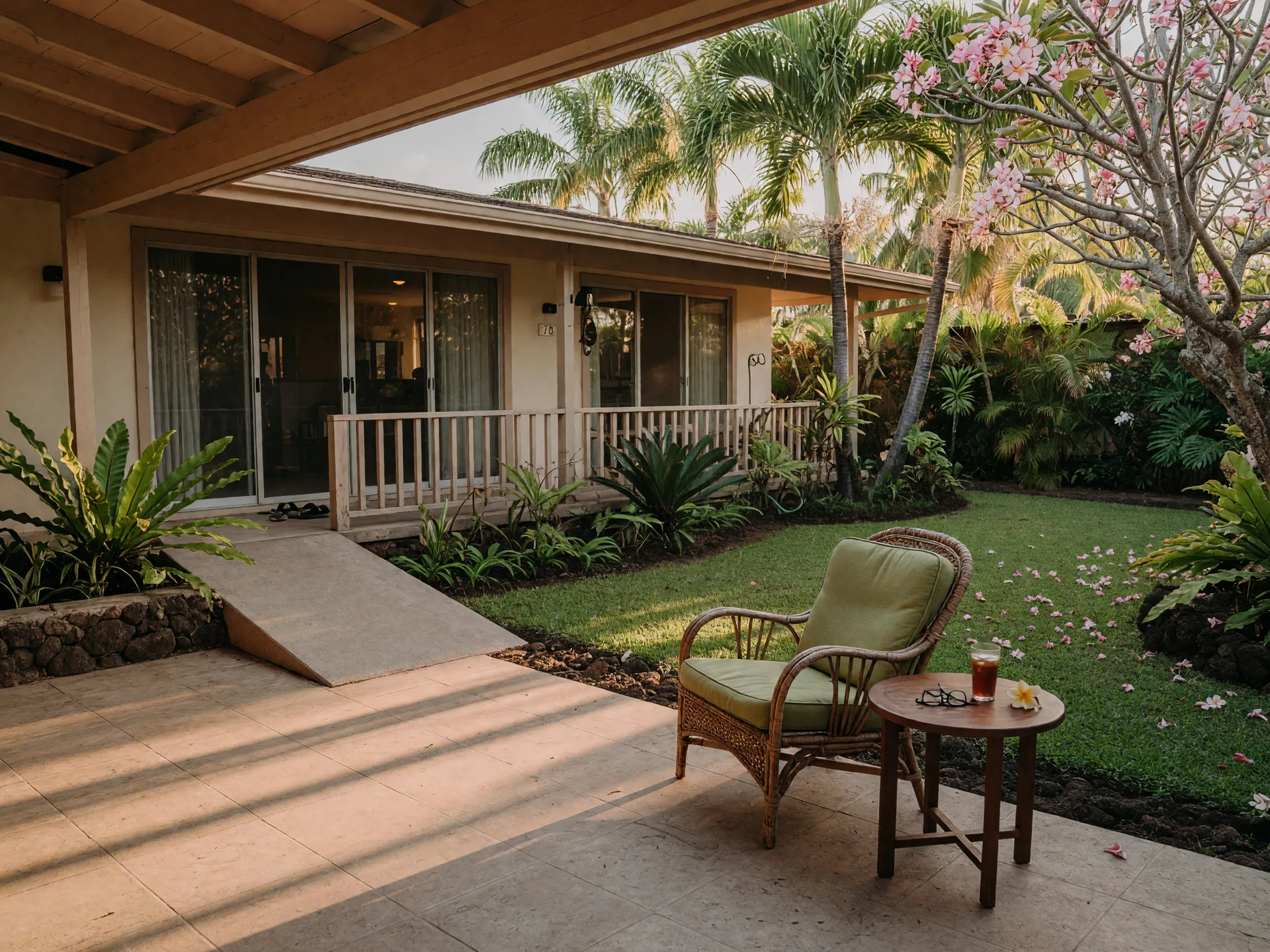
A home that worked well for a family twenty years ago may no longer suit the way its owners live today. This section helps you compare staying and modifying, moving to a smaller property, and the aging-in-place question, with a framework built around your priorities rather than square footage.

Define the home you need, not just a smaller one
Start here
Guides in this section
Four guides cover the core decisions: whether the next home should be a modified version of the current one, a different property altogether, or no change at all, including the retirement and empty-nest reassessments.


Questions people ask
Common downsizing questions
Short, plain-language answers to the questions homeowners ask most as they work through the decision.
How do I know when it is time to downsize?
Begin with the specific problems you want to solve: rooms that are rarely used, stairs that have become inconvenient, yard work that feels burdensome, or costs that no longer fit. When a list of real problems exists, you can compare whether a move or a change in how you use the home would solve them.
Read the downsizing guide Does downsizing always save money?
No. A smaller home can have higher costs because of its location, purchase price, insurance, association fees, or required work. Compare the total ongoing and one-time costs of staying and moving rather than size alone.
Compare staying versus moving Should I renovate my current home or move?
Not necessarily either way. First establish which problems need solving, then compare realistic modification costs and disruption with the alternatives. A contractor or accessibility specialist can help determine what is feasible.
Read the aging-in-place guide Is a condominium easier to maintain than a house?
It may reduce some exterior maintenance responsibilities. Association fees, governing documents, rules, financial health, and planned assessments must all be evaluated, because reduced maintenance does not automatically mean reduced total housing costs.
Should I sell my current home before buying another?
That depends on your finances, equity, financing options, housing availability, and tolerance for timing risk. There is no universal sequence that works for every homeowner.
Read the sell-first guideNeed a different question answered? Browse the full Q&A hub
No pressure, no obligation
Start with a question
When you need help evaluating a property or exploring a potential move on Hawaiʻi Island, you are welcome to contact me. You can begin with a question; you do not need to have decided to sell.